

Fire caulking is critical to stopping a fire from spreading in your home. Also known as fireblocking, it seals small openings and restricts the movement of flames, drafts, smoke and toxic gases. Here are the reasons it’s so essential for home safety.
Uses for Fire Caulking
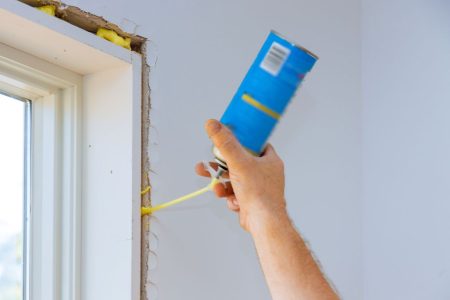
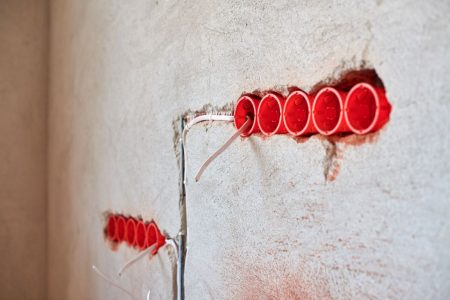
Fire caulking protects high-risk fire areas like attics, HVAC systems, electrical outlets and structural gaps. It’s also used around doors and windows, and to safeguard garages, fireplaces and chimneys. Fireproof caulking is durable against high temperatures and contains a coating that expands upon exposure to high heat, plugging gaps and stopping flames from spreading.
Types of Fireproof Caulk
Silicone-based fireproof caulk is ideal for kitchens and bathrooms, where humidity levels are high. It’s fireproof, very flexible and moisture resistant.
Latex-based fireproof caulk is easy to work with and paint over. It’s commonly used in drywall, wood trim, and other household areas that need fire protection.
3M fireproof caulk is a high-quality fire sealant that lasts for years. When heated, it expands and forms an airtight seal against flames and smoke.
Fire Caulking Durability
Fire caulking in homes is designed to last 5-to-10 years. The firestop sealant is resistant to high temperatures, moisture, aging and extreme weather conditions. It also improves energy efficiency and reduces energy consumption.
Fire Caulking Saves Money
Fire caulk is a smart, cost-effective investment. The cost to have a pro take care of it is fairly inexpensive, and fireproof caulking is a one-time investment that will save you in the long run.
Signs Your Fire Caulking is Bad
If you see cracks, gaps, or mold in your caulk, or it’s discolored or soft, it’s time to replace it. Other signs of trouble include:
- Drafts are felt near closed windows and doors
- Water seeps in when it rains
- Rising energy bills
- Outside noises are getting louder
- The paint or wood around windows is degrading
- Caulking is more than 10 years old
- The caulk is sticky
Next Steps
If areas of your home are not protected by fire sealants, or they need replacing, it’s time to take action. High-risk places that should be sealed or upgraded to fire-resistant materials include roofs and siding made of combustible materials, and wooden fences or decks. Open areas around ducts, vents, and gaps should also be properly sealed to prevent air leaks.
The trained experts at Radiant Drywall and Insulation have the knowledge necessary for the proper application of fire caulking. We use Fire Seal fire blocking caulk. This eco-friendly material meets and exceeds the standard set by the International Residential Code for single-family homes. The proper installation of fire caulking can save lives. Ready to get started? Contact us today for information.
