

Cracks in the wall can be alarming. However, they do not necessarily indicate a serious drywall issue. There are plenty of logical explanations behind drywall cracks, and none of them involve your home falling apart! The key is knowing which cracks are cosmetic and which ones suggest a deeper structural or moisture issue.
Here’s a breakdown of what drywall cracks are normal and which ones signal a bigger problem.
Normal Drywall Cracks
Straight Cracks at the Seams
These cracks appear where drywall panels meet, and usually occur due to slight movement in the home. As the lumber used in the framing dries, it shifts and puts stress on the seams where the two panels meet. They can also appear due to poor original taping. Even though they may not look the prettiest, they are usually due to workmanship issues rather than structural ones.
Hairline Cracks
These thin and shallow cracks typically appear near doors and windows. They can happen in homes where the environment is constantly changing. Temperature fluctuations cause drywall to expand or contract, and the movement causes joints to open up over time. Luckily, hairline cracks are cosmetic and generally easy to repair.
Nail Pops
These are small, raised bumps or cracks where drywall fasteners push forward through the finishing compound. Like hairline cracks, they typically happen due to environmental changes that expand and contract the wood studs. They are also common in newer homes as framing dries and shifts. While they can be annoying, they aren’t serious and are easy to repair.
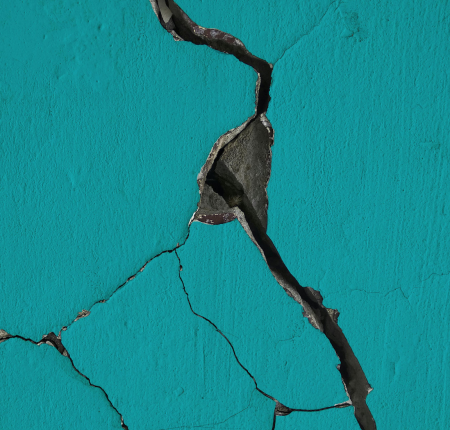
Drywall Cracks That May Signal A Bigger Problem
Wide or Growing Cracks
Cracks that are any wider than ⅛ inch deserve close attention. They could indicate more serious structural issues, such as foundation shifting or failing. These cracks can be accompanied by sagging ceilings or stair-step patterns, which suggest that the home is under immense pressure and worth taking a closer look at.
Cracks with Moisture Stains
Internal leaks often cause these and require immediate attention. The area surrounding the crack may appear brown or yellow, or have a soft, sagging texture. Unfixed drywall leaks can result in irreversible structural damage and even pose health risks since moisture provides a breeding ground for mold growth.
Ceiling Cracks that Sag or Bulge
Cracks paired with a drooping drywall often mean structural damage that needs immediate repair. The waterlogged insulation and drywall become heavy, pushing the ceiling down. If nothing is done about it, the ceiling will likely collapse.
If any cracks are worsening or recurring after repairs, it’s time for help from professionals. At Radiant Insulation & Drywall, our team members are qualified to tackle any bumps and cracks that they may encounter. Give us a call today at (631) 924-0500 for a free consultation.
